Understanding Hallmarks on Claddagh Jewelry: 925, 417, and 585
What Do 925, 417, and 585 Mean on Jewelry?
If you own or are shopping for a Claddagh ring, pendant, or earrings, you have likely noticed small numbers stamped inside the band or on the clasp. Those numbers are not random. They tell you the metal content of the piece. In short, 925 means sterling silver, 417 means 10-karat gold, and 585 means 14-karat gold. Reading these stamps correctly helps you know exactly what you are buying and what to expect from its durability, color, and value.
These stamps are called fineness marks. They are part of a broader system of hallmarks used around the world to certify precious metals. A fineness mark shows the purity of the metal in parts per thousand. So 925 means the metal is 92.5 percent pure silver and 7.5 percent other metals, typically copper. That mix gives sterling silver its strength while keeping its bright white shine. For gold, the system works the same way. A 417 stamp means the piece contains 41.7 percent pure gold, which is 10 karats. A 585 stamp means 58.5 percent pure gold, or 14 karats.
Why These Numbers Matter for Claddagh Jewelry
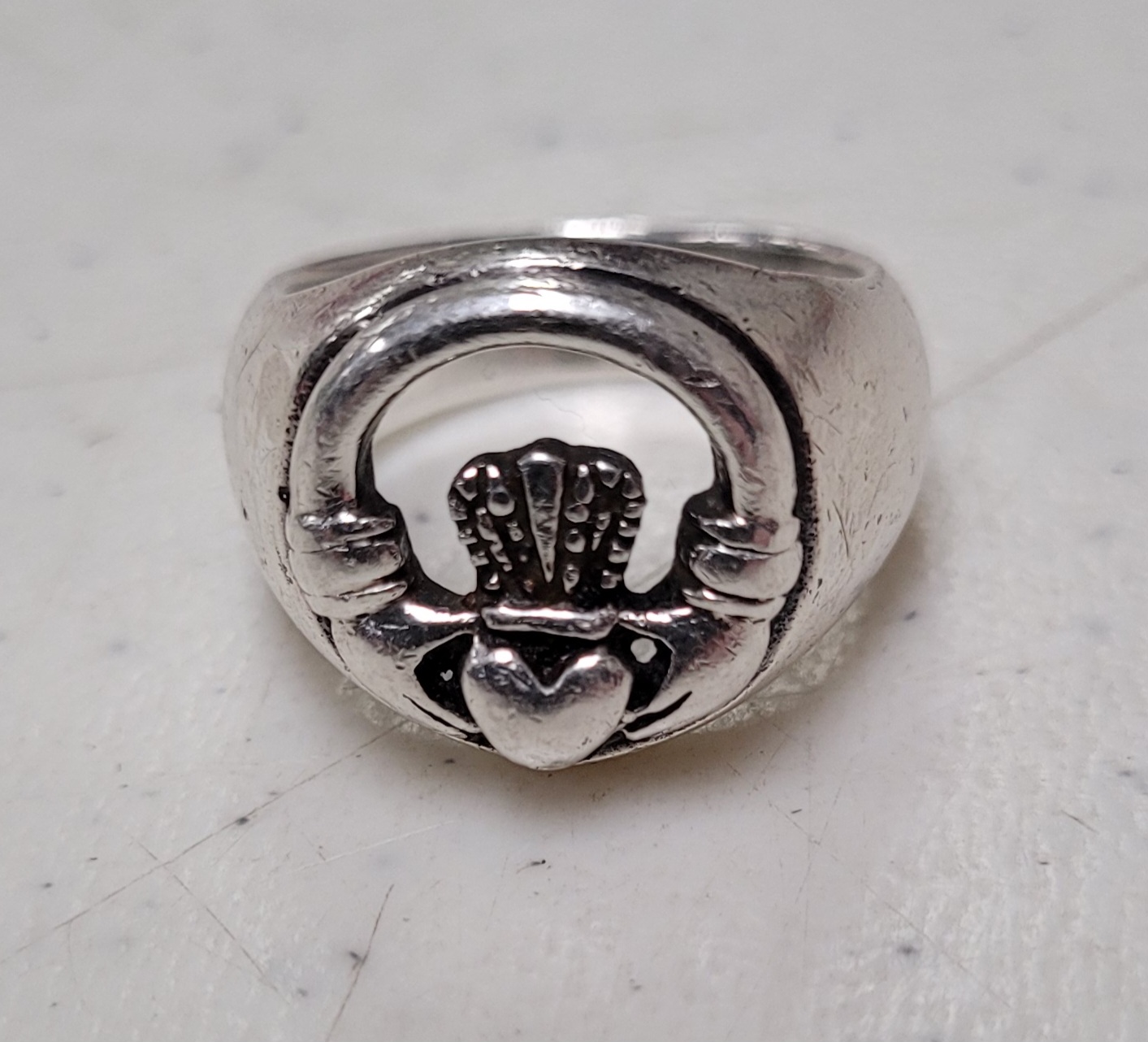
Claddagh jewelry is rooted in Irish tradition. The design features two hands holding a heart topped with a crown, symbolizing love, loyalty, and friendship. Many people choose Claddagh pieces as meaningful gifts for weddings, anniversaries, or family heirlooms. Because these pieces often carry sentimental value, you want to be confident in the metal quality. Knowing the hallmark helps you avoid disappointment down the road. For example, a Claddagh ring stamped 925 is sterling silver. It will tarnish over time, but regular polishing keeps it looking beautiful. A 14-karat gold Claddagh ring, stamped 585, resists tarnish much better and holds up to daily wear without losing its warm yellow hue.
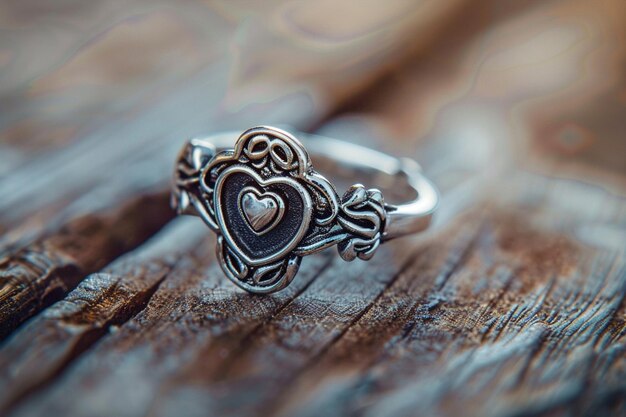
When shopping for Claddagh jewelry, especially online or from smaller sellers, the hallmark is your best clue to the metal content. Reputable jewelers always stamp their pieces. If a Claddagh ring has no stamp at all, that is a red flag. It could mean the metal is not precious or the piece was made in a region where hallmarking is not required. Even so, many countries have strict laws about fineness marks. In the United Kingdom, for instance, hallmarking has been regulated for centuries, and any item above a certain weight must be tested and stamped by an assay office. Understanding these marks is part of verifying precious metal authenticity.
How to Read Other Common Hallmarks
Beyond 925, 417, and 585, you may see other numbers on Claddagh jewelry. Here are a few:
- 999, Fine silver or pure gold. Very soft, so rarely used for rings or bracelets that get daily wear.
- 750, 18-karat gold. 75 percent pure gold. Richer color but softer than 14k.
- 900, 90 percent silver or gold. Sometimes found in older or regional pieces.
These stamps are usually accompanied by a maker's mark, which identifies the jeweler or manufacturer, and sometimes an assay office mark showing where the piece was tested. For example, a British hallmark might include a leopard's head for the London Assay Office or an anchor for Birmingham. The combination of marks gives you a full picture of the piece's origin and purity.
What About Plated or Filled Metals?
Not every shiny piece is solid precious metal. Some Claddagh items are gold-plated or silver-plated over a base metal like brass or copper. These pieces may have stamps like 925 over something else, or simply the word "plate." A stamp that says 925 does not guarantee the whole piece is sterling silver if the piece is hollow or has a different core. However, for most solid jewelry, the stamp is reliable. If you see a number like 417 or 585 on a piece that looks very shiny and lightweight, it may be gold-filled or gold-plated. Gold-filled items have a thick layer of gold bonded to a base metal, and they often carry a stamp like 1/20 14K GF. Gold-plated pieces usually have no stamp or the stamp is very faint. For Claddagh jewelry that you plan to wear every day, solid gold or sterling silver with a clear stamp is a better investment.
How to Check Hallmarks Yourself
You do not need special tools to read a hallmark. A simple jeweler's loupe or even a smartphone camera with macro mode can help you see the tiny numbers. Hold the piece under good light and look inside the band, on the clasp, or on the back of a pendant. The numbers are often small and may be faint if the piece is old or worn. If the stamp is illegible, a jeweler can test the metal with an electronic tester or acid test. That is a good way to confirm what the stamp says, especially for second-hand or vintage Claddagh pieces.
When you are shopping for a Claddagh ring online, always check the product description for the hallmark. Reputable sellers list the metal type and purity explicitly. If the listing only says "silver" or "gold" without a number, ask for a photo of the stamp. This simple step helps you avoid buying something that is not what it seems. It is part of verifying precious metal authenticity before you commit to a purchase.
Practical Buying Tips for Claddagh Jewelry
Here are a few things to keep in mind when you are looking at Claddagh rings, pendants, or earrings:

- Look for the fineness mark before anything else. 925, 417, 585, 750, each tells you the exact metal content.
- If the piece has no stamp, consider having it tested by a jeweler before you pay a premium price.
- For a piece you plan to wear daily, 14k gold (585) or sterling silver (925) are both durable and beautiful. 10k gold (417) is harder but has a paler color.
- Check for a maker's mark or assay office stamp, especially if you are buying from a UK or European seller.
- If the price seems too good for solid gold, it probably is not solid. Look for the stamp and ask questions.
The Bottom Line
Understanding what 925, 417, and 585 mean on jewelry gives you confidence as a buyer. These stamps are not just random numbers; they are a legal declaration of what the metal is. For Claddagh jewelry, which often carries deep personal meaning, knowing the metal content helps you choose a piece that will last and hold its value. Whether you are choosing a sterling silver Claddagh ring for its bright shine or a 14k gold pendant for its warm glow, the hallmark tells the story. Next time you pick up a Claddagh piece, take a moment to find the stamp. It will tell you exactly what you are holding.